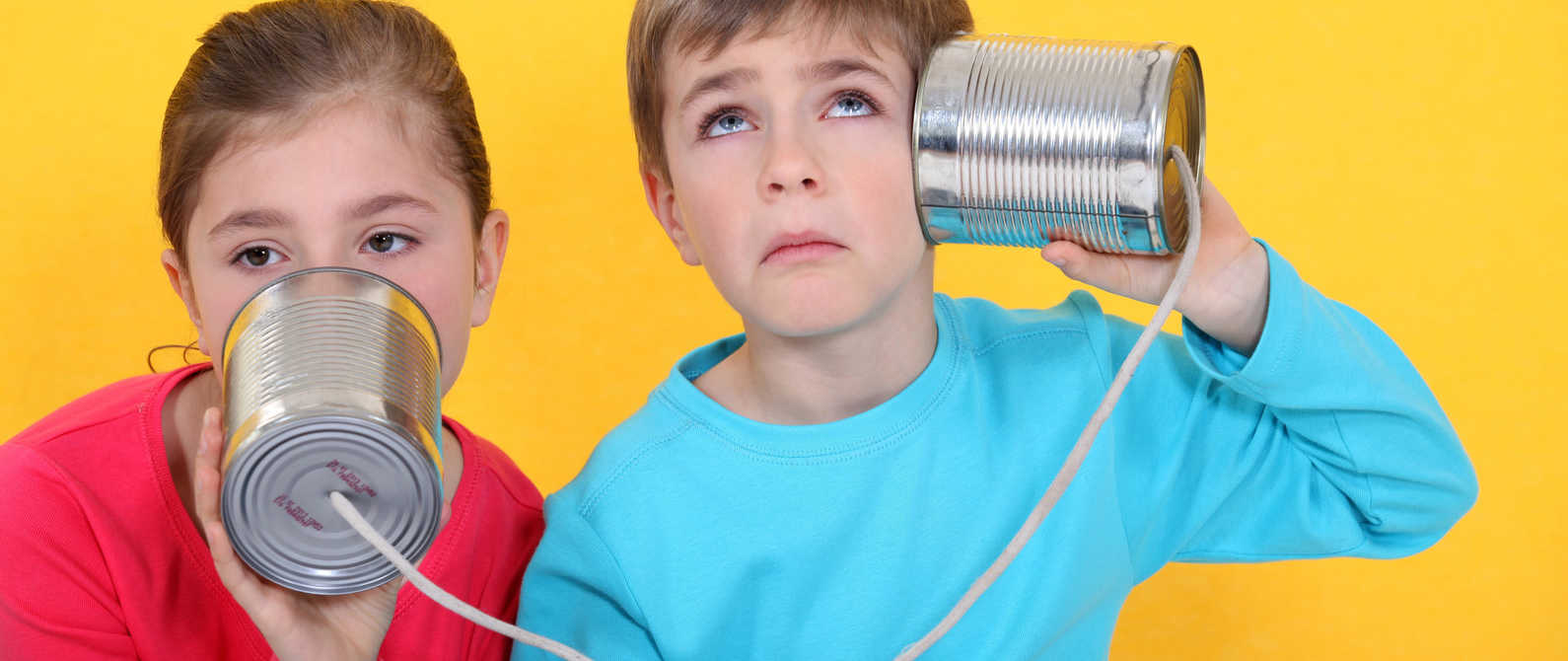
When a child struggles to understand language, find the right words, build sentences, or participate in conversations, the impact can extend far beyond speech. Communication difficulties can influence classroom learning, friendships, behavior, literacy, and a child’s confidence.
For families searching for language therapy in Baltimore and Houston, an important question is not simply, “Does my child need speech therapy?” A better question is: Which communication skills are creating barriers, and what kind of support will help the child function more successfully in everyday life?
At Total Speech Therapy, language intervention is designed around the individual child rather than a standard set of exercises. Our speech-language pathologists assess communication abilities and develop therapy goals that are practical, measurable, and relevant to home, school, and social situations.
We’re proud to be a TEFA(Texas Education Freedom Account) approved speech therapy provider, helping eligible Texas families access speech-language pathology and orofacial myofunctional therapy.
Our individualized services support children’s communication and functional development.
What Are Speech-Language Impairments?
Speech and language are related, but they are not identical.
Speech involves producing sounds and words clearly, while language involves understanding and expressing meaning. A child may therefore have difficulty with vocabulary, sentence structure, following directions, storytelling, social communication, or understanding questions—even when their pronunciation appears clear.
Children with speech-language impairments may experience challenges such as:
- Limited vocabulary for their age
- Difficulty forming complete sentences
- Problems understanding complex directions
- Trouble answering questions
- Difficulty telling or retelling a story
- Challenges expressing thoughts and emotions
- Difficulty participating in conversations
- Problems understanding social language
Identifying the specific area of difficulty is essential because effective therapy should address the underlying communication need rather than simply treating an obvious symptom.
When Should Parents Consider a Language Evaluation?
Children develop at different rates, so occasional communication mistakes are not necessarily concerning. However, persistent difficulties may warrant professional evaluation.
Parents may want to consult a speech-language pathologist if their child frequently becomes frustrated when trying to communicate, has difficulty following age-appropriate directions, uses noticeably shorter or simpler sentences than peers, struggles to answer questions, or has difficulty participating in classroom conversations.
Teachers may also notice signs that parents do not see at home. For example, a child might communicate comfortably with family but struggle to understand group instructions or explain ideas at school.
A professional evaluation can provide clarity instead of leaving parents to guess whether a child will eventually “catch up.”
What Happens During a Pediatric Speech-Language Program?
A strong pediatrics speech-language program begins with understanding the child as a whole.
A speech-language pathologist may evaluate receptive language, expressive language, vocabulary, grammar, comprehension, narrative abilities, social communication, and speech production. The evaluation helps establish a baseline and identify areas that require support.
Therapy goals are then developed according to the child’s age, abilities, challenges, and everyday communication needs.
For one child, the priority might be understanding multi-step directions. For another, it could be developing longer sentences or learning to explain an event in sequence.
This individualized approach is particularly important for children with speech-language impairments, because two children with similar diagnoses can have very different communication profiles.
How Does Language Therapy Work in Real Life?
Effective therapy should connect clinical goals to situations children actually encounter.
A therapist might use a picture book to build vocabulary and expand sentences. Pretend play can create opportunities to practice requesting, describing, answering questions, and taking conversational turns. Storytelling can strengthen sequencing, grammar, memory, and narrative language at the same time.
These activities are not simply games. They provide natural opportunities to practice multiple communication skills in meaningful contexts.
The goal is for a child to use new skills outside therapy—to explain something to a teacher, ask a friend to play, tell a parent about their day, or understand what is expected during a classroom activity.
Can Language Therapy Support Academic Development?
Yes, oral language provides an important foundation for literacy and classroom learning.
Children use language to understand stories, learn new vocabulary, explain their reasoning, follow instructions, take part in discussions, and eventually connect spoken language with reading and writing.
A child who has difficulty understanding sentence structures or organizing ideas may therefore face challenges that extend into literacy and academic tasks.
This is why language intervention can include skills related to vocabulary development, narrative structure, phonological awareness, comprehension, and verbal reasoning when appropriate.
Why Does Family Participation Matter?
Progress is not limited to the therapy room.
Parents can reinforce language development through ordinary routines. Reading together, discussing pictures, asking open-ended questions, encouraging children to explain their choices, and expanding their sentences are simple ways to create additional communication opportunities.
For example, if a child says, “Dog running,” a parent might naturally reply, “Yes, the big dog is running in the yard.” This gives a richer language model without turning the conversation into a formal lesson. At Total Speech Therapy, families receive practical guidance that they can use in everyday interactions.
We at Total Speech Therapy recognize that successful communication means different things for different children. Our speech-language pathologists use individualized assessments and evidence-informed intervention to identify communication needs and set meaningful goals.
Families in Baltimore and Houston can access support for language development, speech sound disorders, articulation, fluency, social communication, voice, and other communication challenges.
Rather than focusing only on whether a child can complete an exercise correctly, therapy considers whether they can use the skill meaningfully in everyday life.
When Is the Right Time to Seek Support?
There is no advantage to waiting for communication difficulties to become more pronounced before asking for professional guidance.
If your child is struggling to express ideas, understand language, participate in conversations, or keep up with communication demands at school, a speech-language evaluation can provide useful answers.
Early support can give children more opportunities to strengthen communication skills while also helping parents understand how to support development at home.
Help Your Child Become a More Confident Communicator
Language gives children the ability to learn, connect, explain, question, imagine, and participate. When communication becomes difficult, the right intervention can make everyday interactions easier and more rewarding.
Total Speech Therapy provides personalized language therapy in Baltimore and Houston for children with a range of speech and language needs.
📍 Serving families in Baltimore, MD, and Houston, TX
📞 Maryland: (410) 696-3301
📞 Texas: (713) 489-6697
If you have concerns about your child’s communication development, schedule a professional evaluation and take the first step toward stronger, more confident communication.


Leave a Reply